

Central IT as a bottleneck for new requirements

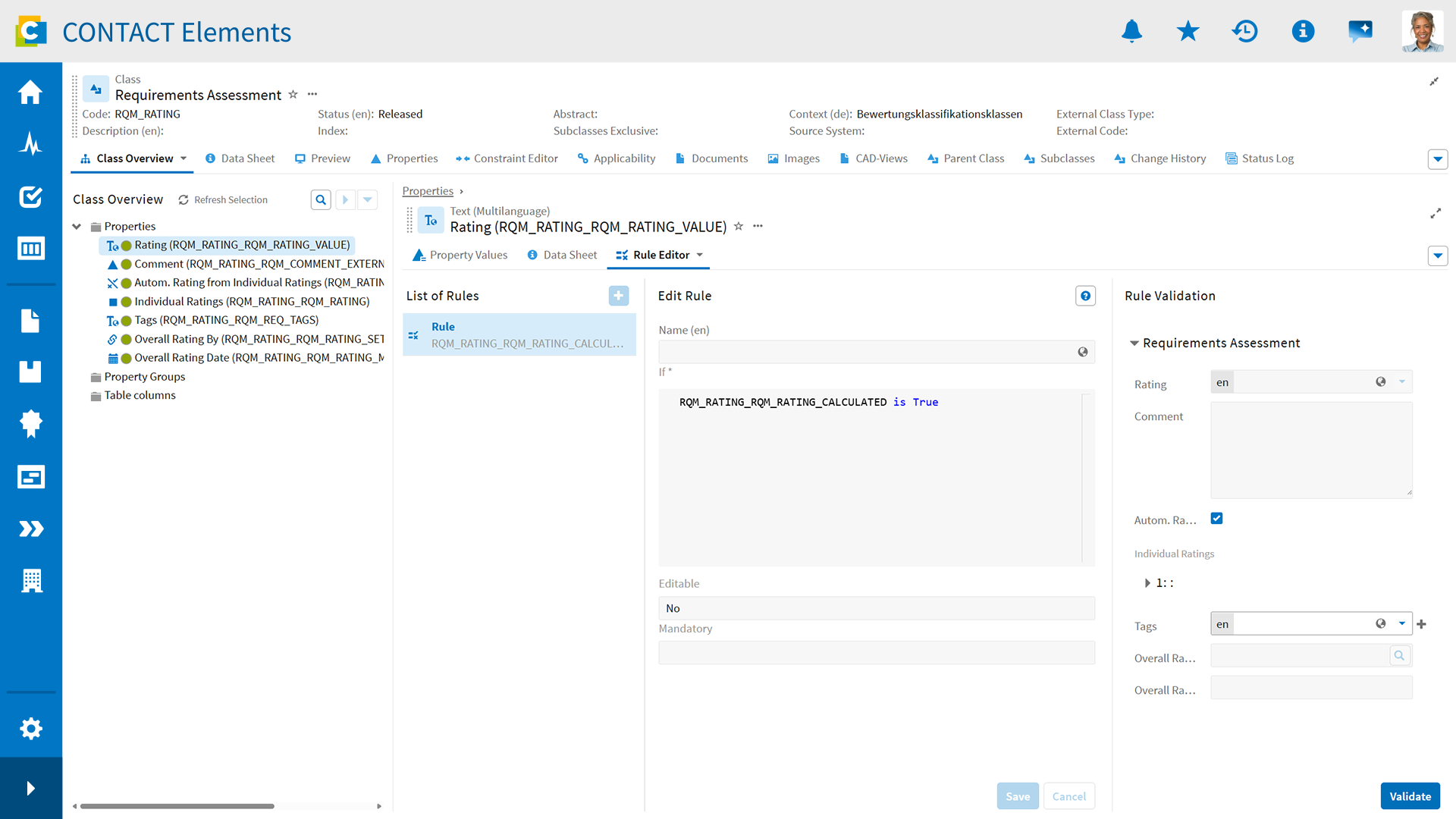
New business requirements almost always end up in the same queue: at central IT. This costs time, ties up limited development resources, and slows down digital transformation initiatives. With the Low Code Framework, business teams can configure data models, workflows, and user interfaces declaratively – without coding. Widget libraries, visual rule definitions, and customizable catalogs significantly accelerate the implementation of new requirements and reduce dependence on IT resources. Because everything is built on the same core mechanisms as the standard modules in CONTACT Elements, teams can create fully integrated, specialized applications with end-to-end data continuity, rather than isolated solutions and data silos.

Your benefits

  • Configure data models, workflows, and user interfaces declaratively 
  • Assemble user interfaces using widget libraries and the InSync Design System 
  • Define business processes visually 
  • Customize catalogs within business units
  • Implement domain-specific extensions with low code 

Configure data models, workflows, and user interfaces declaratively

With the Low Code Framework, you define object types, attributes, relationships, status networks, and lifecycles declaratively: You specify what should apply, not how it is coded. This turns a business requirement into a configuration task rather than a development request. Anyone familiar with data structures or business processes can map them. Changes take effect immediately, are transparently documented, and remain intact across standard software updates.

Configure data models, workflows, and user interfaces declaratively

With the Low Code Framework, you define object types, attributes, relationships, status networks, and lifecycles declaratively: You specify what should apply, not how it is coded. This turns a business requirement into a configuration task rather than a development request. Anyone familiar with data structures or business processes can map them. Changes take effect immediately, are transparently documented, and remain intact across standard software updates.

With the Low Code Framework, you define object types, attributes, relationships, status networks, and lifecycles declaratively: You specify what should apply, not how it is coded. This turns a business requirement into a configuration task rather than a development request. Anyone familiar with data structures or business processes can map them. Changes take effect immediately, are transparently documented, and remain intact across standard software updates.

Building user interfaces from widget libraries

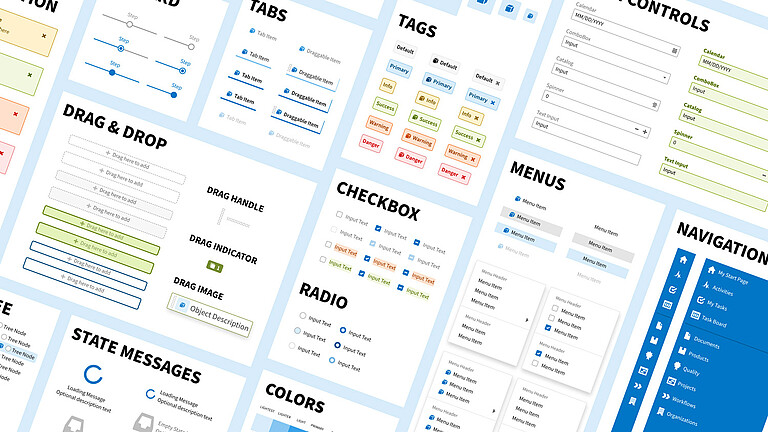
Whether you need lists, forms, detail views, charts, or dashboards, you can draw on extensive libraries of proven widgets and combine them through configuration to create exactly the interface your daily work requires. The integrated InSync Design System ensures that user patterns, layouts, and interactions follow the standard. This allows your custom applications to blend seamlessly into the familiar user experience.

Building user interfaces from widget libraries

Whether you need lists, forms, detail views, charts, or dashboards, you can draw on extensive libraries of proven widgets and combine them through configuration to create exactly the interface your daily work requires. The integrated InSync Design System ensures that user patterns, layouts, and interactions follow the standard. This allows your custom applications to blend seamlessly into the familiar user experience.

Whether you need lists, forms, detail views, charts, or dashboards, you can draw on extensive libraries of proven widgets and combine them through configuration to create exactly the interface your daily work requires. The integrated InSync Design System ensures that user patterns, layouts, and interactions follow the standard. This allows your custom applications to blend seamlessly into the familiar user experience.

Define business processes visually instead of coding them

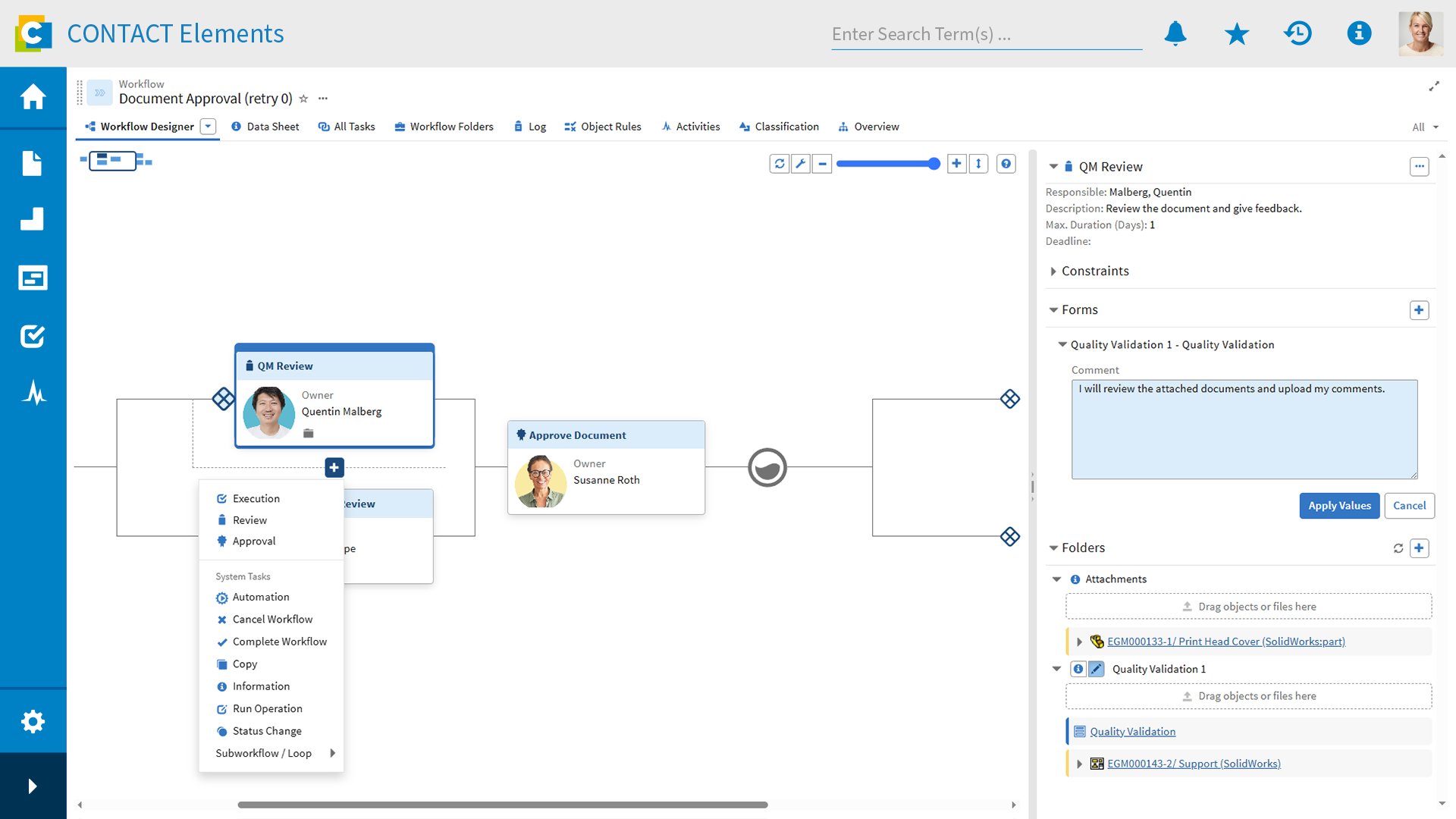
You can visually define review and approval processes or automated follow-up actions, such as notifying involved parties. This makes workflows and alternative paths transparent and verifiable to all participants at all times. Business logic no longer disappears into scripts that only a few people can read. You can quickly implement adjustments to changing processes or compliance requirements.

Define business processes visually instead of coding them

You can visually define review and approval processes or automated follow-up actions, such as notifying involved parties. This makes workflows and alternative paths transparent and verifiable to all participants at all times. Business logic no longer disappears into scripts that only a few people can read. You can quickly implement adjustments to changing processes or compliance requirements.

You can visually define review and approval processes or automated follow-up actions, such as notifying involved parties. This makes workflows and alternative paths transparent and verifiable to all participants at all times. Business logic no longer disappears into scripts that only a few people can read. You can quickly implement adjustments to changing processes or compliance requirements.

Customize catalogs within business units

Business teams independently maintain classifications, attribute and value catalogs, selection lists, and templates where the relevant expertise resides. Central IT retains governance over architecture, security, and operations, while being relieved of routine changes and gaining capacity for tasks that require actual software development. Because every configuration uses the same core mechanisms for object management, versioning, workflows, and lifecycles as the standard modules, standard functionality and custom extensions work together seamlessly—without additional interfaces.

Customize catalogs within business units

Business teams independently maintain classifications, attribute and value catalogs, selection lists, and templates where the relevant expertise resides. Central IT retains governance over architecture, security, and operations, while being relieved of routine changes and gaining capacity for tasks that require actual software development. Because every configuration uses the same core mechanisms for object management, versioning, workflows, and lifecycles as the standard modules, standard functionality and custom extensions work together seamlessly—without additional interfaces.

Business teams independently maintain classifications, attribute and value catalogs, selection lists, and templates where the relevant expertise resides. Central IT retains governance over architecture, security, and operations, while being relieved of routine changes and gaining capacity for tasks that require actual software development. Because every configuration uses the same core mechanisms for object management, versioning, workflows, and lifecycles as the standard modules, standard functionality and custom extensions work together seamlessly—without additional interfaces.

Implement domain-specific extensions with low code

Validation logic for objects can be implemented individually for each company through code extensions, without altering the underlying standard. This ensures seamless updates.

Implement domain-specific extensions with low code

Validation logic for objects can be implemented individually for each company through code extensions, without altering the underlying standard. This ensures seamless updates.

Validation logic for objects can be implemented individually for each company through code extensions, without altering the underlying standard. This ensures seamless updates.

Further information

Would you like to learn more about this topic? Choose from one of the following information offers.